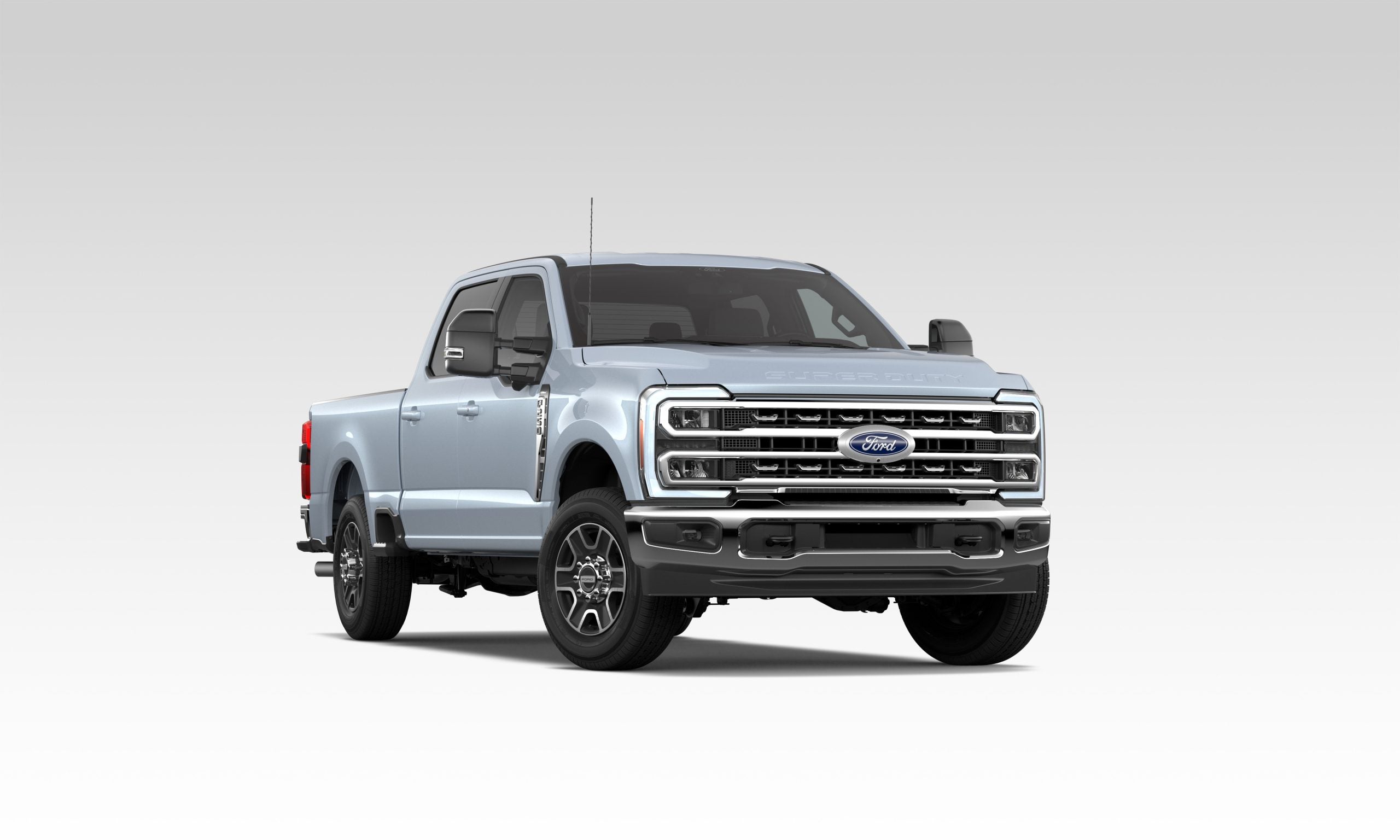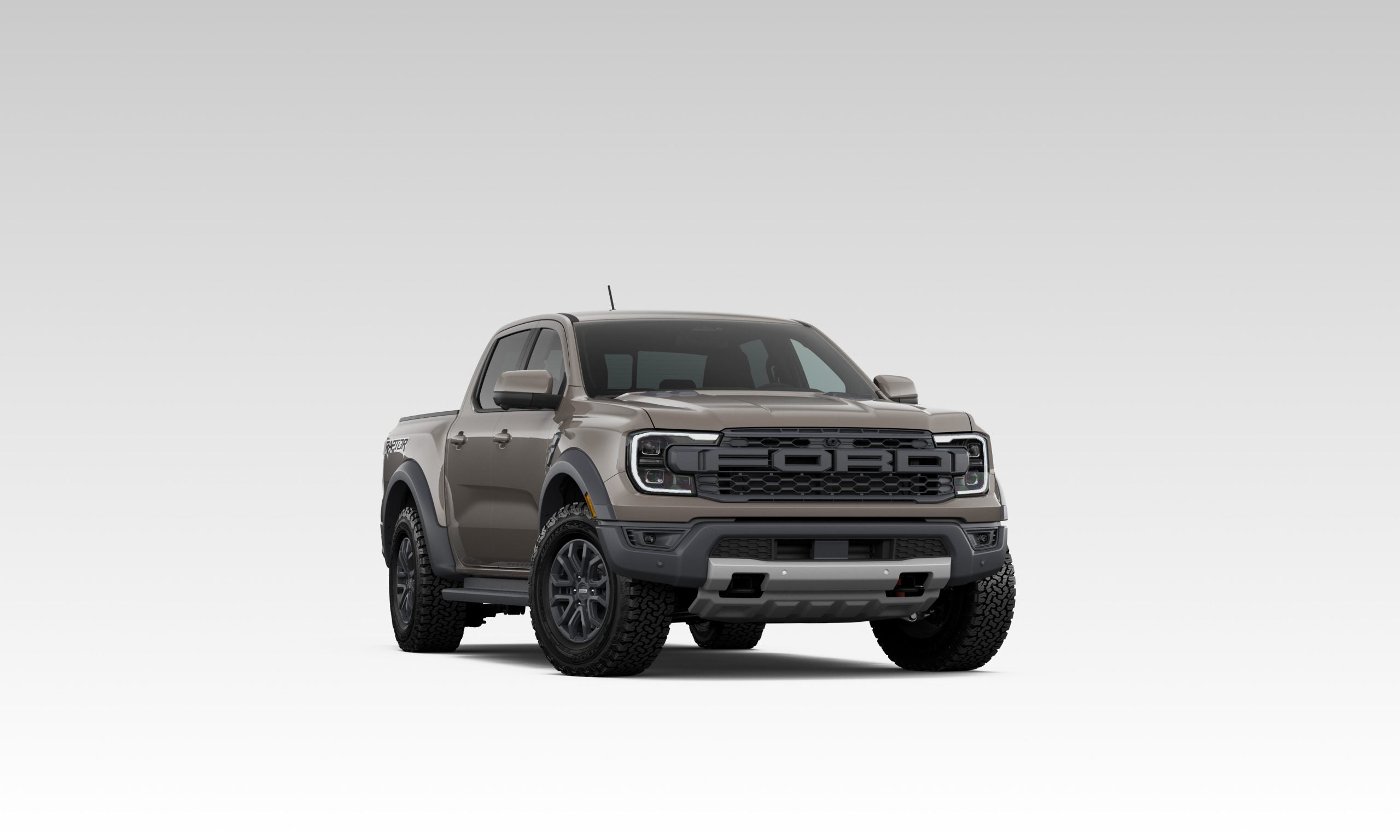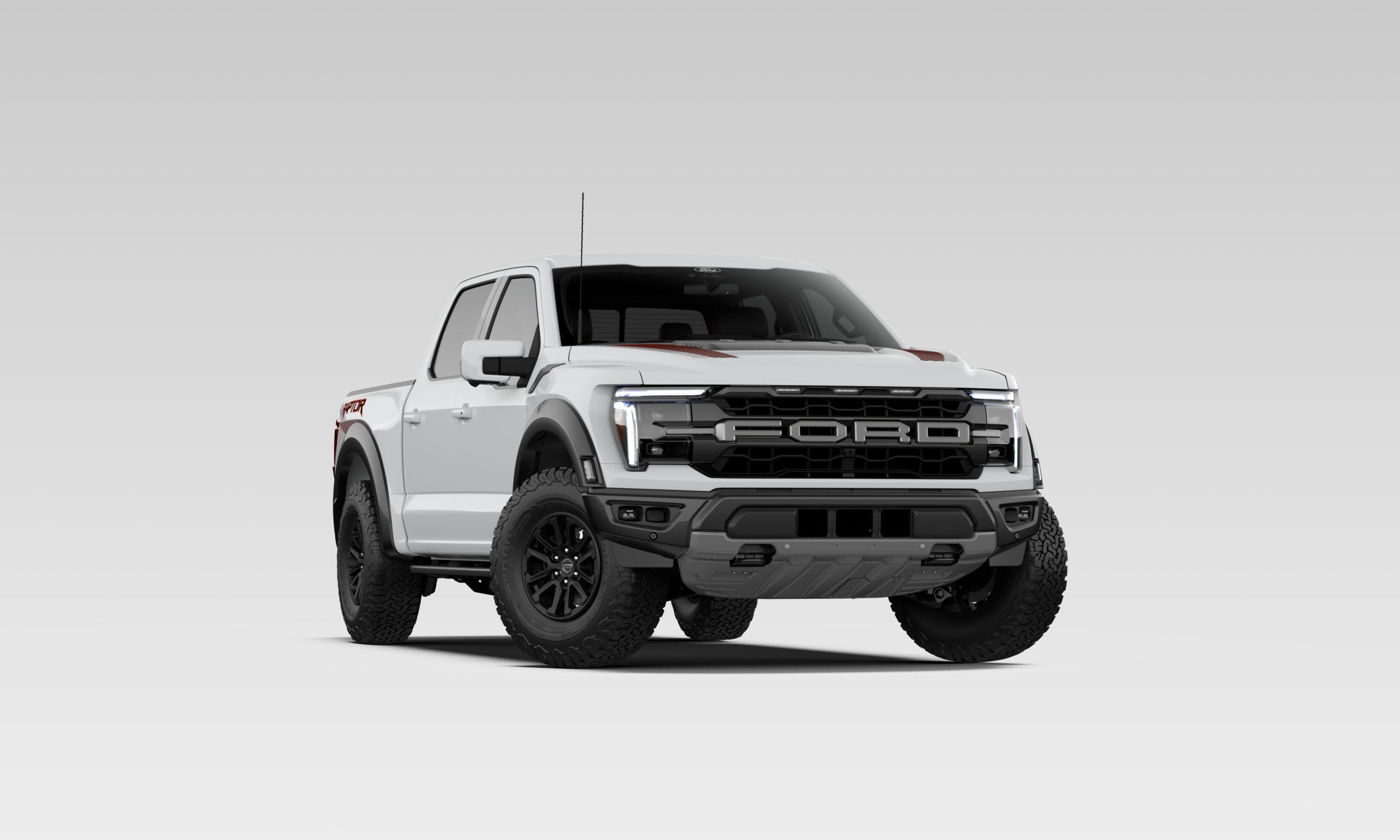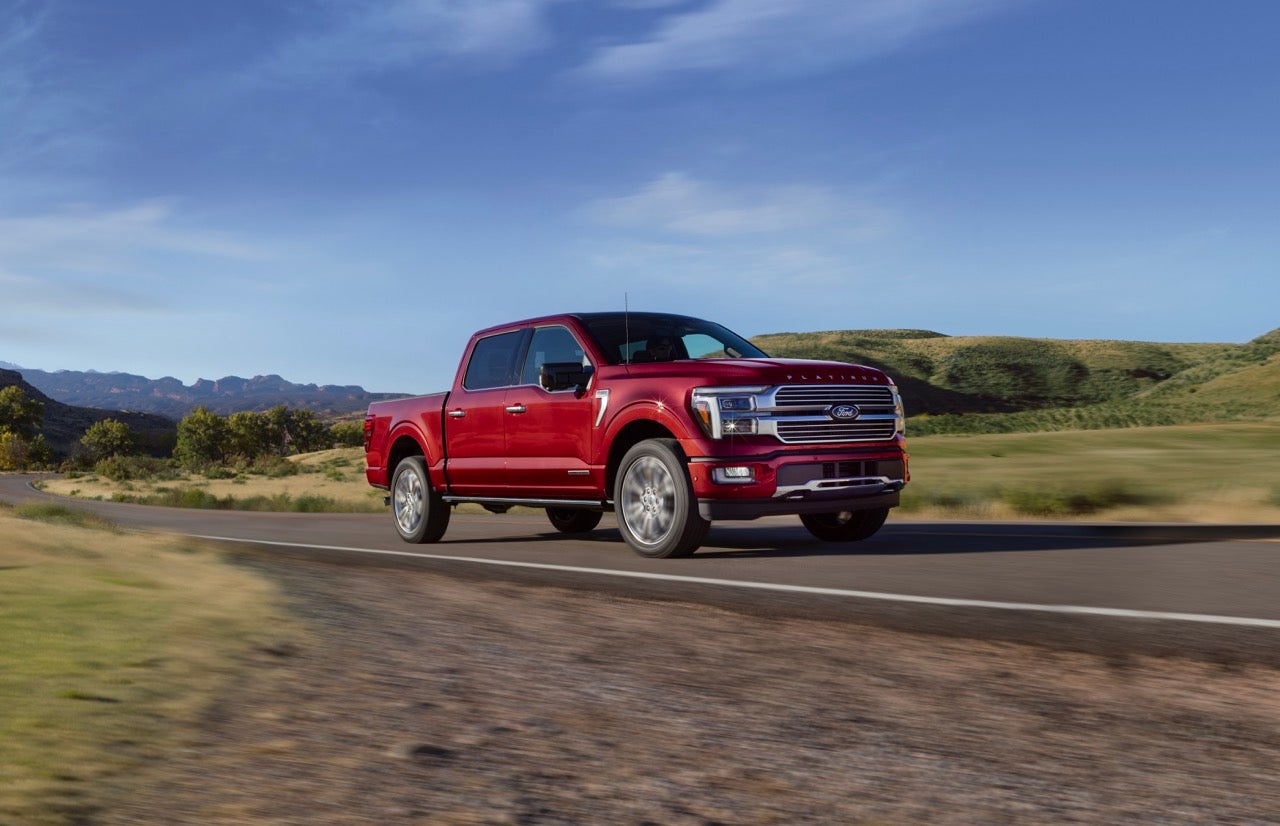

The world of engines has always had its own language. Naturally aspirated. Turbocharged. Supercharged. Flat 6. V8. V12. Sometimes you may feel you need a translator. That’s what we’re here to do today, specifically for a popular engine from Ford: the EcoBoost engine. A Ford EcoBoost engine is a gas engine built to match a bigger engine's power while burning less fuel, using turbocharging, direct fuel injection, and variable valve timing together. If you've searched what is EcoBoost and want the short version, that's it. For the full version, read on. What is an EcoBoost Engine? Break the name in half and you've got the general idea. "Eco" points to efficiency: a smaller displacement burning less fuel at idle and cruising speed. "Boost" points to turbocharging: forcing extra air into the cylinders so a small engine performs above its size class. Stripped of marketing, this motor is a small, turbocharged gasoline engine built to match a bigger engine's output without the bigger engine's thirst. It isn't a hybrid; there’s no battery and no electric motor, just a better-engineered gas engine. Want electrified power instead? Ford's PowerBoost hybrid lineup answers a similar question, and deserves its own post. Ford’s Innovation: Three Technologies Working Together Three technologies carry the load under the hood of an EcoBoost vehicle, none exotic on their own. Ford's innovation was stacking the three together: Turbocharging: Like a leaf blower for the engine, forcing extra air into the cylinders for more power without adding cylinders Direct injection: Sprays fuel straight into each cylinder at high pressure instead of the intake stream, for less waste and cleaner combustion Variable valve timing: Valves open and close based on how hard you're driving, the way a runner adjusts their stride to match the needed pace Put simply, the Ford EcoBoost engine is a smaller engine that does a bigger engine's job by forcing in more air and using it in a more precise manner. The EcoBoost Lineup: Which Engine Goes in Which Ford Ford builds the EcoBoost in six displacements, each tuned for a different job: High-output versions like the F-150 Raptor and Expedition Tremor sit at the top of each range. Check your window sticker for the exact trim. The 2.7L and 3.5L both live under the F-150's hood, splitting the difference between fuel economy and towing muscle. The 2.3L is the standard in the Bronco and Mustang, delivering four-cylinder efficiency with real performance credibility. Curious which one's parked on our lot? Browse our new Ford inventory to see EcoBoost trims in person. Real-World Fuel Economy: What to Expect When it comes to EcoBoost gas mileage, the EPA numbers are real, but built around gentle, steady-state driving. Your daily commute isn't a lab, so remember the following: Steady highway cruising gets you closest to the sticker numbers, since the turbo isn't working hard. Stop-and-go traffic, aggressive throttle, and towing “spool” the turbo more, widening the efficiency gap. A heavy foot erases the savings fast: EcoBoost is efficient because it leans on a small displacement, but drive it like a V8 and it'll drink like one. If EcoBoost gas mileage is your deciding factor, drive smooth and let the turbo work steadily. Is EcoBoost Reliable? Here's the real record on Ford EcoBoost engine durability. Early 3.5L timing chains and cam phasers: Pre-2017 trucks are most associated with a cold-start rattle from worn phasers and stretched chains. Ford revised the design for later generations, though it hasn't fully vanished. Intercooler condensation: Humid conditions can condense moisture inside the intercooler, causing a stumble or misfire under boost, most notably on the 3.5L. Ford's fix adds a sensor and software that clears the water automatically. Premium fuel: Every EcoBoost runs fine on regular 87-octane gas. Ford recommends premium, usually 91-octane (93 for the Mustang), for peak output. Light knock running on regular is normal and is not damaging. Shopping used? Ask if the timing chain or phasers were serviced. Buying new? These issues are largely resolved. Either way, keep the oil change interval and let the turbo idle down after hard driving. Is an EcoBoost Right for You? Now that you know what an EcoBoost engine is and how it drives, matching it to your life is simple. Mostly commuting with occasional towing? A Ford EcoBoost engine is a strong fit, giving V6 or V8-adjacent power without a V8's fuel bill. Towing constantly, or chasing maximum fuel economy above all else? Cross-shop Ford's PowerBoost hybrid, a different answer to the same question. EcoBoost gets there with turbocharging; PowerBoost adds a battery and electric motor. We'll cover that comparison in a future post. Not sure which engine or trim fits your budget? Check our used Ford inventory for EcoBoost models that might already be within reach. Frequently Asked Questions Is the 2.7 EcoBoost a good engine? Yes. It's one of the most well-regarded engines in the F-150 lineup, balancing strong torque with better fuel economy than the V8. Is the 3.5 EcoBoost reliable? In newer model years, yes. Early trucks (pre-2017) are tied to timing chain and cam phaser wear, so ask about service history on a used one. Does EcoBoost require premium fuel? No. Every EcoBoost runs on regular 87-octane gas. Premium is recommended for best performance, though isn’t required for safety. Is EcoBoost a hybrid? No, which answers the question what is EcoBoost at its core: a turbocharged gasoline engine, full stop, no battery or electric motor. Ford's separate PowerBoost lineup is the hybrid option. Find Your EcoBoost at The Frederick Motor Company A blog post only gets you so far. The best way to get the feel of a Ford EcoBoost engine is behind the wheel. Contact our team to schedule a test drive and feel the difference between a spec sheet and the driver’s seat.
The Best Vehicle for Camping: What Families Should Look For in a Ford Truck
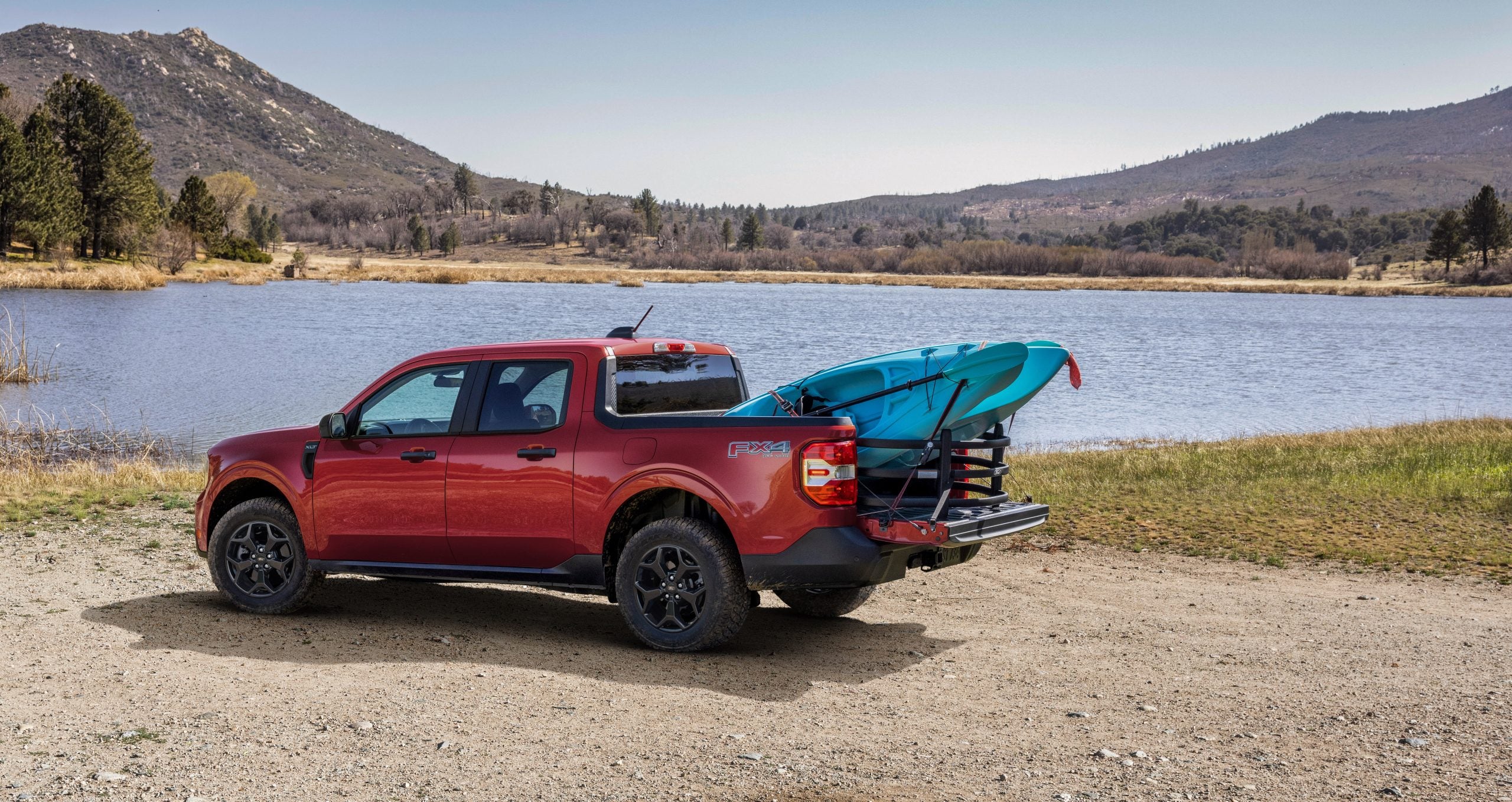
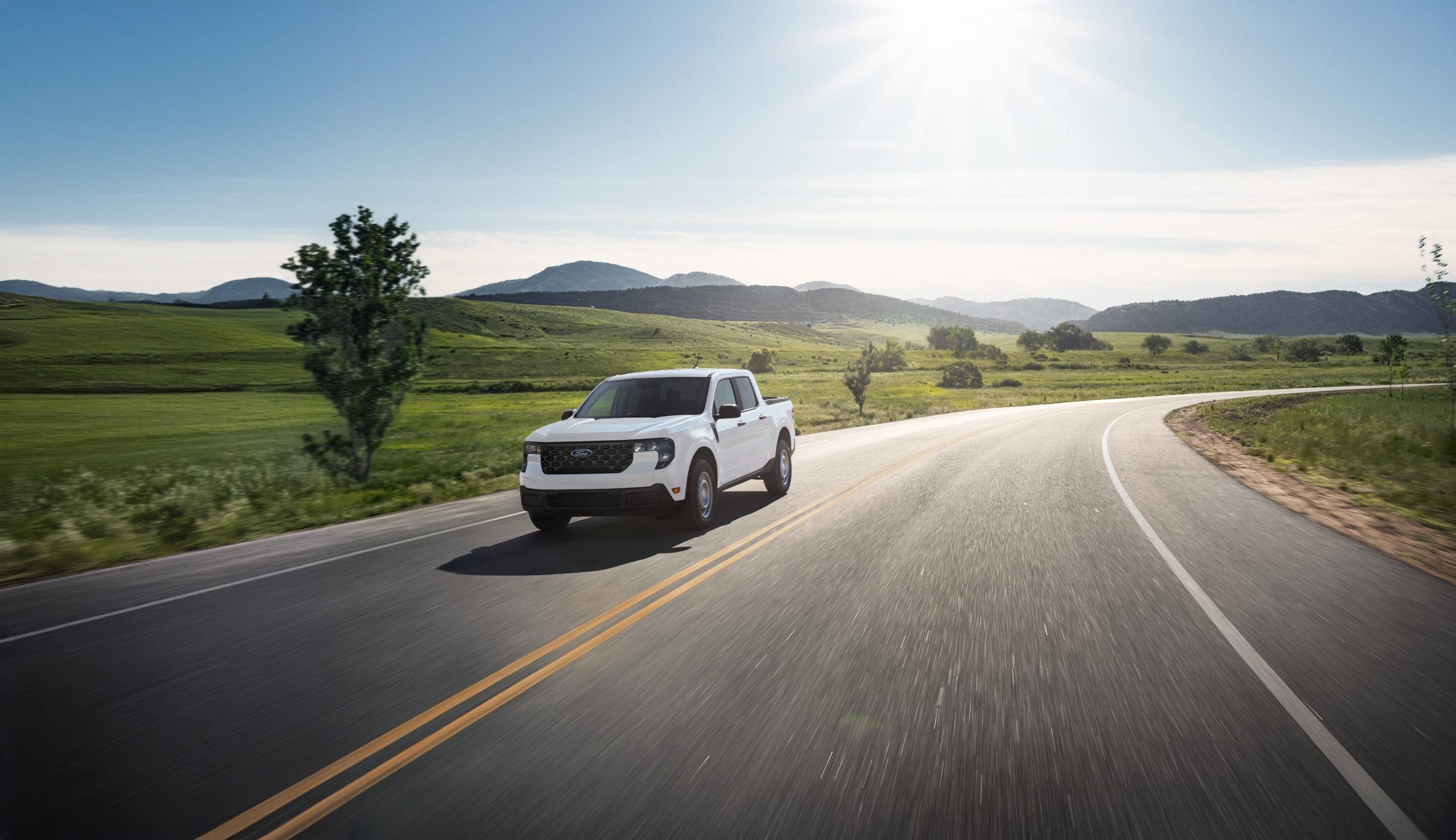
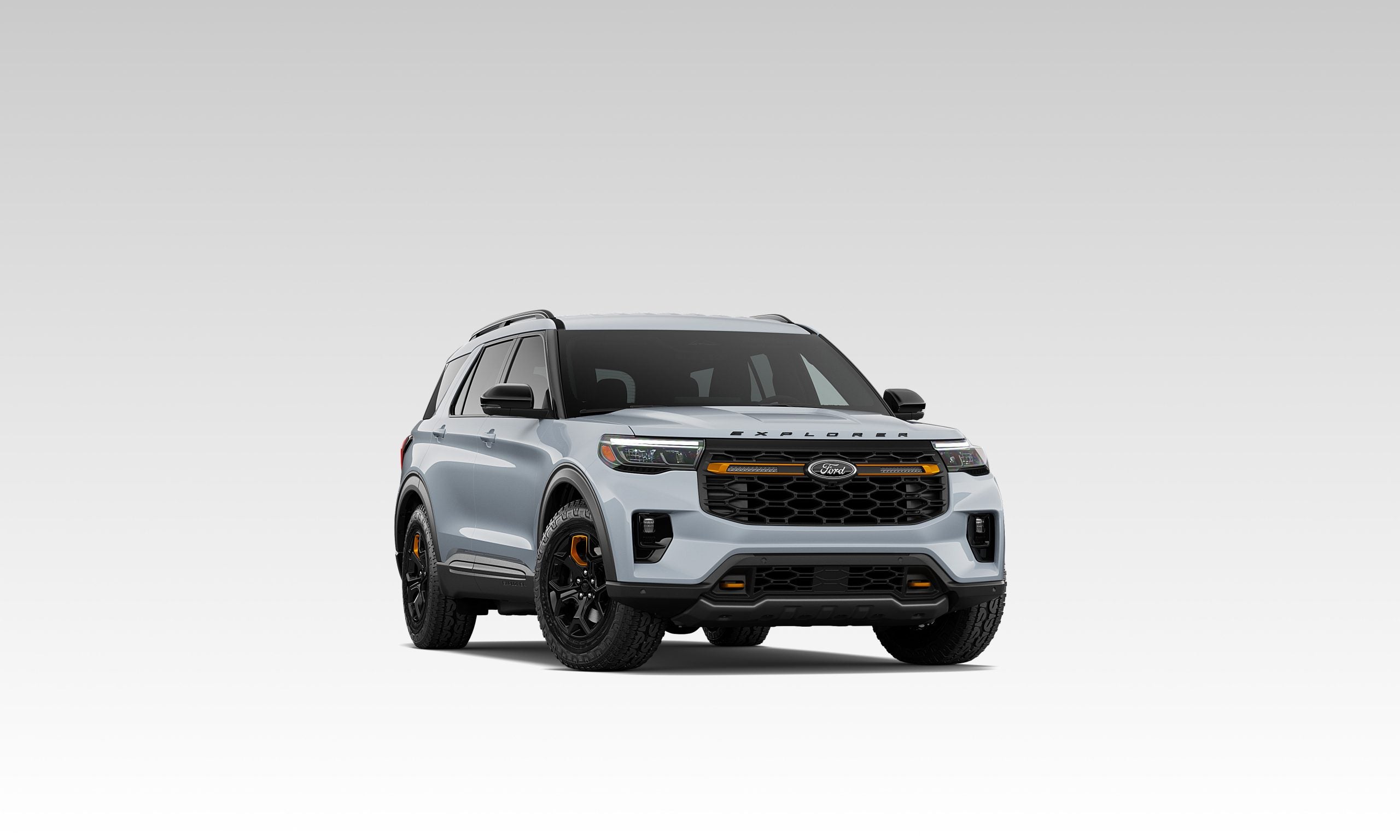
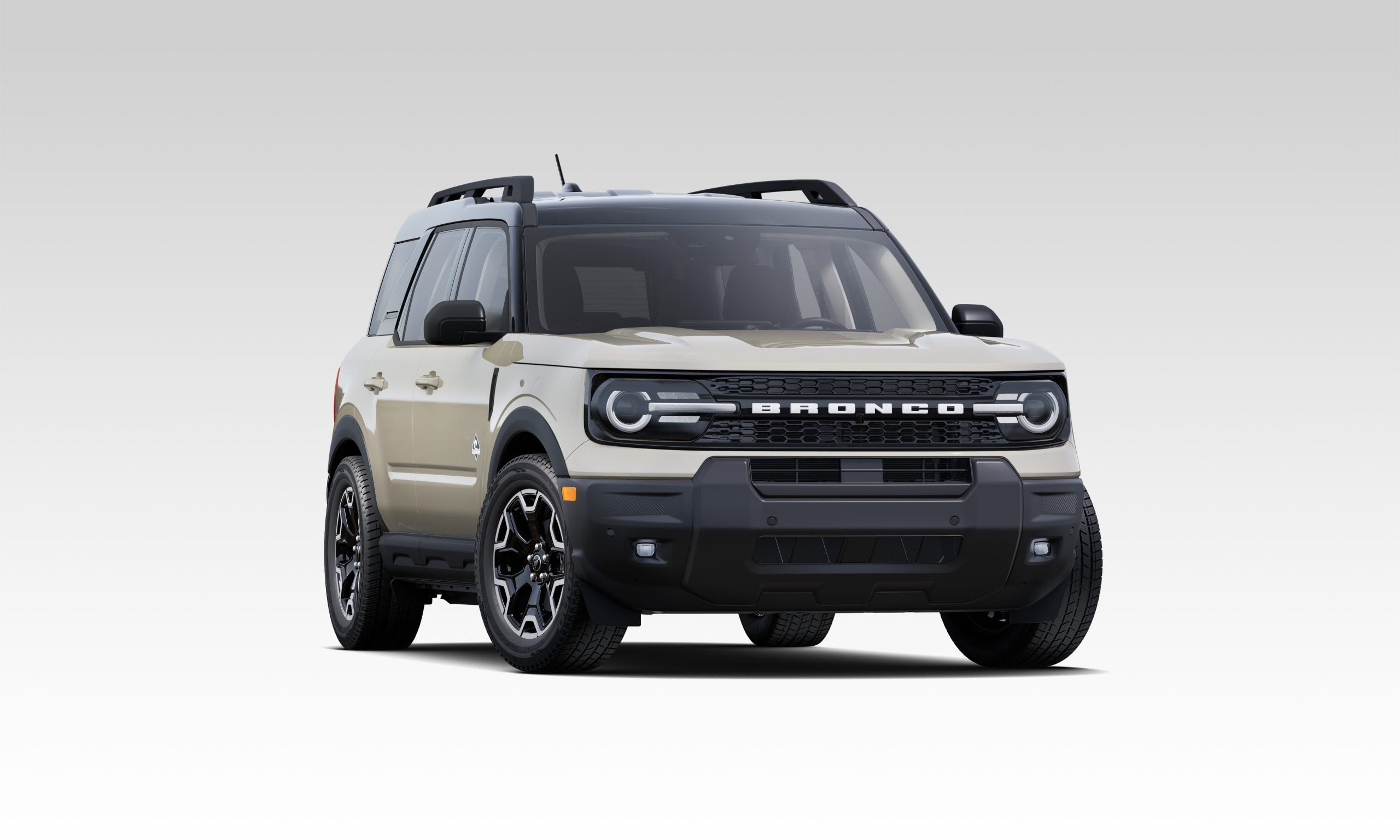
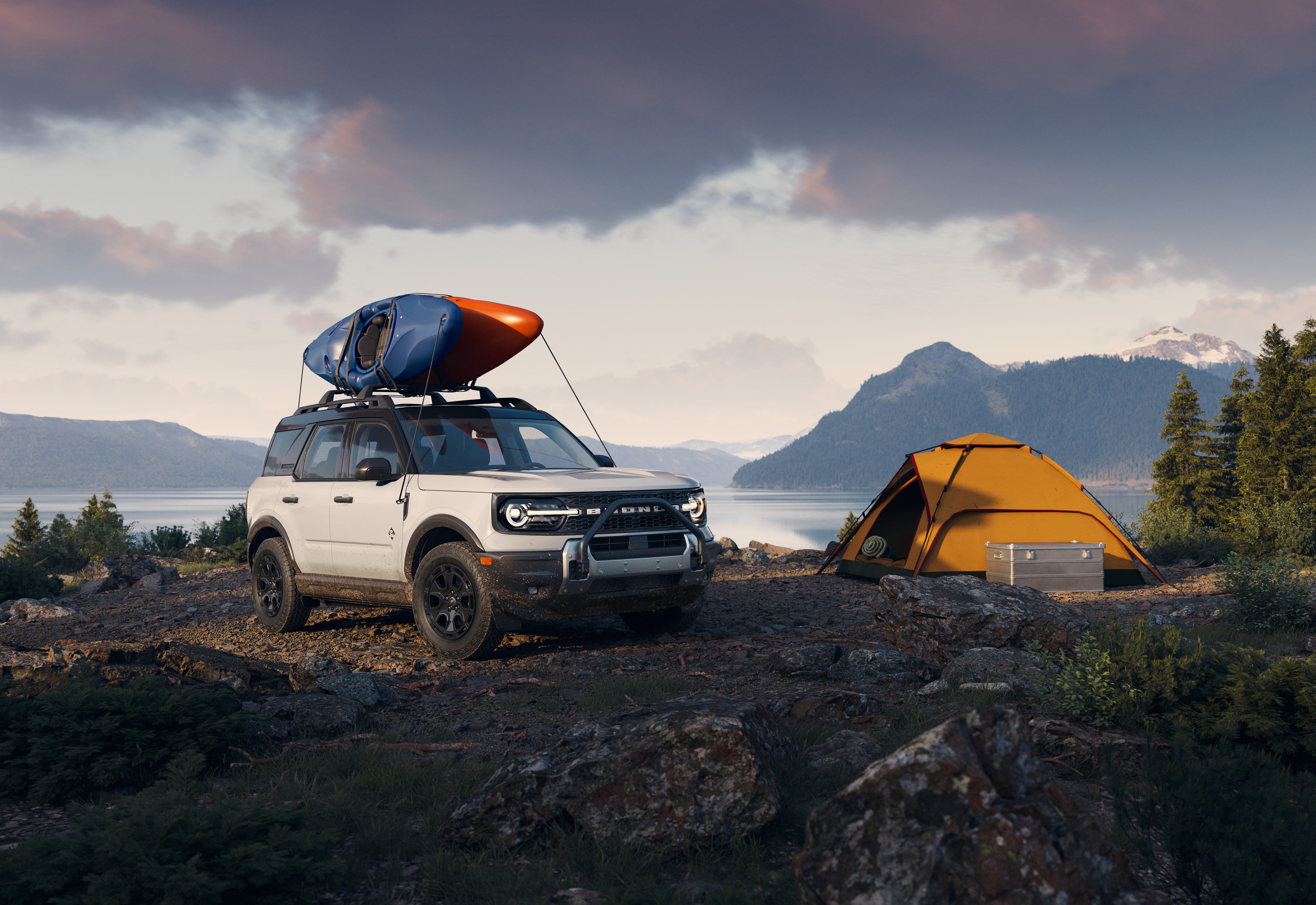
“Built Ford Tough.” So goes the legendary motor company’s famous slogan, reserved since 1979 for its legendary lineup of trucks. And who wouldn’t want the toughest truck possible for that weeklong camping trip? That family foray into the deep, dark wood? But even if said wood turns out to be not so deep or dark, we’re here to help you choose the best vehicle to navigate it, from Ford’s extensive selection of built-tough SUVs. Consider this blog your shortcut, then, to Ford’s best vehicles for camping, and leave the guesswork behind. 1. Towing Capacity & The Number Most Families Miss Every Ford has a maximum tow-rating visible on the window sticker. What isn't as clearly visible is the payload and tongue weight. A vehicle rated to tow your trailer can still be overloaded, since tow-rating and payload draw from the same pool of capacity. A simple rule of thumb: Tongue-weight runs about 10 to 15 percent of your loaded trailer weight. And a 3,000 lb trailer needs roughly 300 to 450 lbs of payload left over for the hitch alone, on top of passengers and cargo. Here's how the Ford lineup breaks out by tow-tier: Maverick, for the smallest teardrops and pop-ups. The Ford Maverick towing capacity is 2,000 lbs standard and up to 4,000 lbs with the available 4K Tow Package. Bronco Sport and Escape for light trailers, with the Bronco Sport topping out around 2,700 lbs on the Badlands trim. Explorer and Bronco for mid-size trailers. Ford Explorer towing capacity reaches 5,000 lbs on every trim, standard, while Ford Bronco towing capacity tops out at 4,500 lbs on the Raptor and 3,500 lbs elsewhere with the available Trailer Tow Prep Package. Expedition for a full travel trailer. Ford Expedition towing capacity climbs to 9,600 lbs with the Heavy-Duty Trailer Tow Package on 4x4 models, making it the best SUV for towing a camper in this lineup. The factory tow package matters more than the trim badge. It usually bundles upgraded cooling and pre-wired connectors, which is why two versions of the same model can carry very different numbers. 2. Cargo Space That Works With the Seats Up Cargo volume with every seat folded flat shows up on nearly every spec sheet, and it's close to useless for a camping family that needs those seats occupied. Instead, look for cargo space behind the second row and behind the third row, seats in place. Ford Explorer cargo space measures 16.3 cubic feet behind the third row, opening up to 46 cubic feet behind the second. Ford Bronco cargo space handles coolers and duffels comfortably with the rear seat up, in either body style. On the Expedition, that third-row number nearly doubles: 22.9 cubic feet standard, 37.4 on the Expedition MAX. The real surprise is the Bronco Sport. With its rear seats upright, it holds up to 32.5 cubic feet. Beyond the raw cubic feet, look for a flat load floor, tie-down points, an underfloor-well for wet gear, and a liftgate that clears fully in a tight campsite. Keep in mind that most three-row SUVs sleep two people in the back, at best. Plan on a tent for the kids. Cargo alone doesn't make the best vehicle for camping, but it's a big piece of the puzzle. 3. Roof Load Rating & Why Rooftop Tent Shoppers Get It Wrong Rooftop tent shoppers need two numbers, and they're not the same thing. The dynamic load rating is what the roof carries while driving; the static load rating is what it holds once parked with people inside the tent. On the Bronco, Ford rates the roof at 110 lbs dynamic (moving) and up to 450 lbs static (parked) on hardtop models. Roofs get rated conservatively for driving, given how weight up top affects handling. A second wrinkle: The roof itself, the factory crossbars, and any rack you add each carry their own limits, and the lowest one wins. A rooftop tent up top for the adults, a ground tent below for the kids. Ford Explorer roof rack setups come standard with rails ready for crossbars, and if you're shopping for a Ford Bronco roof top tent, our accessories team can walk you through factory-approved racks and their ratings. 4. Traction, Ground Clearance & Getting to the Site Most family camping is a paved road to a gravel lot. As a result, off-road capability gets bought more often than it gets used. That said, the Ford Terrain Management System changes how the vehicle behaves the moment the road gets loose. Selecting a mode like Sand, Mud & Ruts, or Slippery adjusts throttle response, traction control, and shift points to match what's under the tires automatically. Ground clearance and approach angle matter more for the forest service road than anything resembling a trail obstacle, and that's where the Bronco shines. The Explorer and Bronco Sport are both more than sufficient for the gravel roads and washboard entrances most campgrounds have. 5. Onboard Power & Family Comfort on the Drive Ford Pro Power Onboard, the system that turns a truck into a mobile generator, is reserved for the F-150 and Super Duty lineup. Inside this SUV and crossover family, the Maverick and Bronco offer factory 110V accessory outlets: enough for a phone charger, camp light, or small cooler, if not a full campsite off the grid. Some campgrounds sit well past the last gas station, so consider fuel economy. Hybrid options across the lineup stretch that range, from the Maverick's standard hybrid (up to 42 MPG city) to the Escape's hybrid and plug-in hybrid variants. Rear-seat comfort counts for just as much on a four-hour drive with kids in back, so look for available rear climate zones and easy-reach USB ports. Between the towing, cargo room, and comfort on offer, it's easy to see why the and the best SUV for camping and roadtrips keep pointing back to this lineup. Which Ford Is Right for Your Family There's no single best vehicle for camping for every family, but there is one that matches your trailer, gear, and crew; that’s what you’re looking for. Here's the quick-reference version: Model Best For Approx. Tow Tier Third Row Standout Camping Feature Maverick Teardrops, pop-ups Up to 4,000 lbs No Hybrid efficiency, 110V outlet Bronco Sport Light trailers, small crews Up to 2,700 lbs No 32.5 cu ft cargo, seats up Escape Light trailers, easy parking Up to 3,500 lbs No Hybrid and plug-in hybrid options Explorer Mid-size trailers, families of six-plus Up to 5,000 lbs Yes 46 cu ft behind 2nd row Bronco Mid-size trailers, genuine off-roading Up to 4,500 lbs No G.O.A.T. Modes, rated roof rails Expedition Full travel trailers, largest families Up to 9,600 lbs Yes Up to 37.4 cu ft behind 3rd row (MAX) Maverick: Right for you if the camper you’re towing is small and the budget matters. Skip it if you're pulling anything past 4,000 lbs. Ford Maverick towing capacity won't stretch further than that. Bronco Sport: Right for you if cargo room with seats up is the priority. Skip it if you need a third row. Escape: Right for you if hybrid efficiency and light towing matter more than size. Skip it if a trailer is part of every trip. Explorer: Right for you if you need three rows and mid-size Ford Explorer towing capacity in one vehicle. Skip it if serious off-road capability is the goal. Bronco: Right for you if the destination itself is off-road, and Ford Bronco towing capacity covers the trailer. Skip it if you need to seat more than five. Expedition: Right for you if you're pulling a full travel trailer with a big family aboard, since Ford Expedition towing capacity leads the lineup. Skip it if you camp light and want to save on fuel. The Big Five for the Best Fit Towing capacity paired with payload. Cargo space with the seats you'll use. Roof ratings. Ground clearance. Onboard power that matches how you camp. These are the big five capabilities to look for when it comes to finding the best vehicle for camping. And Frederick's geography puts you close to Cunningham Falls, Gambrill State Park, Catoctin Mountain Park, and the wider Appalachian camping corridor, so whatever you drive needs to be ready most weekends. With a Ford in your driveway, you will be. Come take a test drive with your gear fully loaded, or talk to our team about a factory tow package before you buy. Whichever model you land on, the best vehicle for camping (and the best SUV for road trips in between camping weekends) is the one that matches how your family gets out the door, not the one with the longest spec sheet. Curious how a few of these stack up side by side? We've compared the Maverick and Bronco Sport here.